Evidence-based Therapies
for OCD and anxiety
Bilingual OCD and Anxiety Psychologist in Miami
Specialized CBT and ERP for intrusive thoughts, compulsions, panic, phobias, and health anxiety.
Adults and teens | In-person in Coral Gables | Or virtual PSYPACT telehealth certified in 40+ states
For 25 + years, I have helped adolescents, adults and families struggling with OCD, intrusive thoughts, panic, and anxiety disorders using proven treatments like CBT and ERP. I am a fully bilingual English-Spanish psychologist in Miami specializing in structured evidence-based care. This is not general supportive therapy. With OCD and anxiety, treatment approach matters. Many patients come to me after trying therapy that was supportive but not specialized enough for these conditions.
This trauma-informed, personalized, structured, focused treatment often helps you make meaningful progress faster than general supportive therapy to help you reduce compulsions, face feared situations, and regain daily functioning. I provide treatment in both English and Spanish, allowing patients to engage in therapy in the language that feels most natural and effective.
Dealing with OCD and anxiety can be overwhelming. In fact, having anxiety can be traumatic; affecting your work performance, time management, relationships, independence, parenting confidence, sleep, as well as your peace of mind. This can become very costly in daily life. Effective treatment can help you reclaim time, energy, confidence, and functioning.
You may have OCD and/or generalized anxiety but you recognize that you also may have maladaptive perfectionism or ADHD or depression. Or perhaps you wonder if you are on the autism spectrum. Through careful evaluation, I can rule out or confirm other diagnoses. Together we build a hierarchy of concerns/goals to address and build a personalized treatment plan for you.
Obsessive Compulsive Disorder (OCD) is characterized by intrusive, repetitive thoughts resulting in compulsive behaviors and/or mental acts that the person feels driven to perform.
Pure Obsessional OCD
The term Pure-O is not an accurate description and currently seen as a misnomer as there are still compulsions, albeit mental. It is a form of OCD characterized by intrusive, unwanted, inappropriate thoughts, or impulses generally about specific themes like: safety and harm, sexual orientation (SO-OCD), relationship decisions (R-OCD), fears of doing something illegal, pedophilia (P-OCD), over-concern for honesty or religious purity, or existential fears.
Illnesss Anxiety Disorder/Health Anxiety
Health Anxiety is characterized by excessive worrying about your health. It is often associated with body scanning/checking, researching and reassurance-seeking.
Obsessive Compulsive-Related Disorders (OCRDs) includes hoarding, excoriation (skin-picking), body dysmorphic disorder, and trichotillomania (hair-pulling).
Obsessive Compulsive Personality Disorder (OCPD) is a personality disorder with the following characteristics: rigid adherence to rules and regulations, an overwhelming need for order, unwillingness to yield or give responsibilities to others and a cognitive inflexibility about the way things “should be done.”
Generalized Anxiety Disorder
GAD is characterized by persistent and excessive worry about a number of different things. Individuals with GAD find it difficult to control their thinking.
Panic Disorder
Panic Disorder is diagnosed in people who experience spontaneous seemingly out-of-the-blue panic attacks and are very preoccupied with the fear of a recurring attack.
Specific Phobia
Specific phobias are an overwhelming and unreasonable fear of objects or situations that pose little real danger but provoke long-lasting and intense anxiety and avoidance.
Major Depressive Disorder
Clinical depression causes severe and at times debilitating symptoms which affect how you think, feel and cope with stress. Symptoms of depression include loss of interest in things, increased or decreased sleep, increased or decreased in appetite, feeling guilty, decreased energy and decreased concentration.
Maladaptive Perfectionism
There are three types of perfectionism. Self-oriented, Other-Oriented, and Socially Prescribed. Maladaptive Perfectionism or Malignant Perfectionism refers to a maladaptive response to stressors such as analysis paralysis or excessive extreme procrastination. These rigid and exacting standards can lead to avoiding tasks for fear of not doing it to their standards, often leading to self-sabotage.
ADHD
ADHD is marked by chronic inattention and/or hyperactivity that interferes with everyday functioning.
Coping Skills & Social Skills Training
Sometimes we reach adolescence without knowing how to effectively cope with having a rough day.
Parenting Anxious Children
Parenting an anxious child is extremely stressful and normal parenting techniques such as reassurance can actually increase a child’s anxiety.
Weight Loss
Learn mindfulness techniques for healthier more sustainable weight loss.
Insomnia
Learn healthy sleep hygiene for a better night’s rest.
Evidenced-Based Psychotherapy
- Exposure & Response Prevention Therapy
- Cognitive Restructuring
- Behavioral Activation
- Acceptance and Commitment Therapy (ACT)
- Mindfulness-Based Cognitive Behavioral Therapy
Dr. Victoria G. Roatta
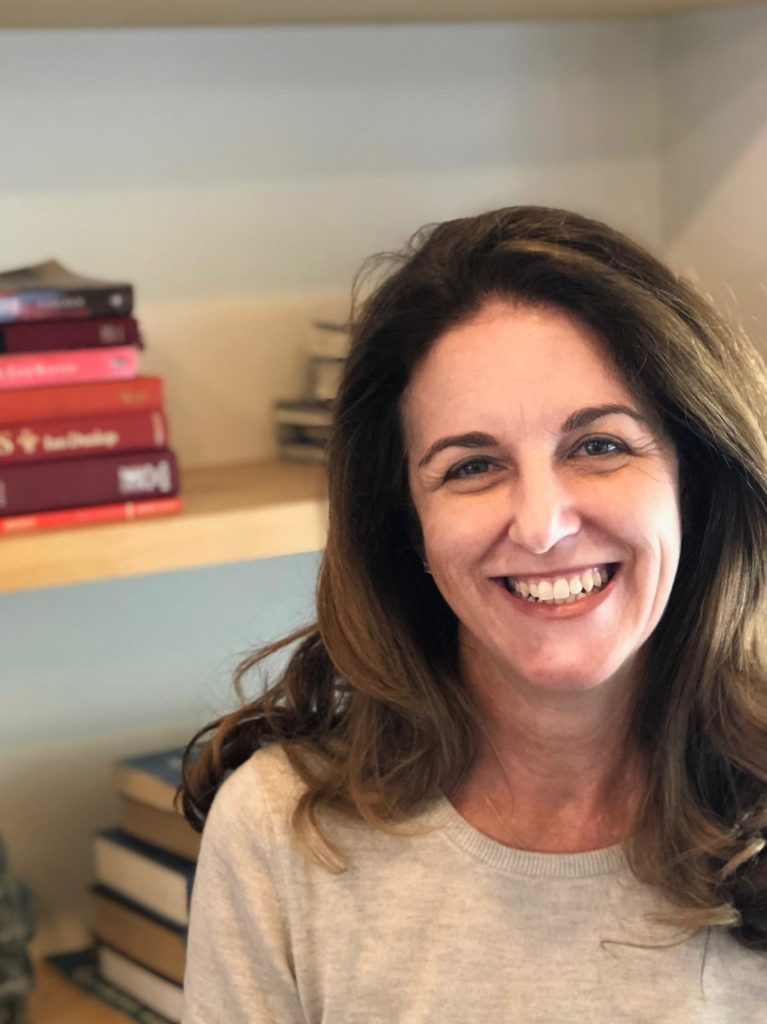


Dr. Roatta received her doctoral degree in Clinical Psychology from Carlos Albizu University. Her clinical training/internship was done at the University of Miami/Jackson Memorial Medical Center, where she worked with adults in both inpatient and outpatient settings providing individual and group therapy as well as psychological evaluations. At UM/JMMC she was also awarded a post-doctoral fellowship in Behavioral Medicine. She held a position as Assistant Professor/Voluntary Faculty at the University of Miami until 2003 studying Post-Traumatic Stress Disorder among patients at the Ryder Trauma Center. She has co-authored several publications in Behavioral Medicine, and has co-presented at eleven national conferences. After her postdoc, Dr. Roatta worked at the OCD Resource Center in Hollywood until 2006, where she specialized in providing CBT and ERP to English and Spanish speaking patients in Broward County. Currently Dr. Roatta is only in a clinical setting, as a solo practitioner. Full curriculum vitae available.
Useful Links